Beirut Under its Deadliest Attack
Beirut and its residents were subjected to the most powerful and violent Israeli airstrikes in decades.
الخميس ٠٩ أبريل ٢٠٢٦
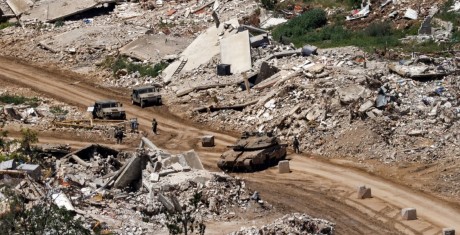
Ravecca Fahed - Not a week has passed since the crucifixion of Jesus Christ, and Beirut was crucified in its own sky; nailed by more than a hundred missiles, each explosion echoing like a wound across the city Beirut witnessed one of its most violent and devastating days in recent history as a wave of large-scale airstrikes struck the city and other parts of Lebanon, leaving hundreds dead and many more injured. The attacks mark a major escalation in the ongoing conflict between Israel and Hezbollah, deepening an already severe humanitarian crisis According to official Lebanese sources and emergency services, the strikes resulted in the deaths of at least 180 people, with some estimates exceeding 250 fatalities, and more than 1,000 injured Entire neighborhoods were hit within minutes, as dozens of airstrikes targeted multiple locations across Beirut, including densely populated residential and commercial areas A sudden and Massive Assault The strikes came rapidly and with little warning. Reports indicate that over 100 targets were hit in a very short timeframe, with explosions echoing across the capital and beyond Beirut, typically considered safer than southern suburbs, was among the areas affected. Witnesses described scenes of chaos: burning vehicles, collapsed buildings, and civilians fleeing through smoke-filled streets. In some locations, strikes hit during peak hours, increasing the number of casualties Other regions, including the Bekaa Valley, southern Lebanon, and coastal cities like Tyre and Sidon, were also targeted, showing the wide geographical scope of the operation War and Fragile Ceasefire The attacks occurred shortly after a temporary ceasefire agreement between the United States and Iran. However, Israel made it clear that this agreement did not apply to its military operations in Lebanon against Hezbollah Israel stated that the strikes were aimed at dismantling Hezbollah’s infrastructure, including command centers and missile sites. Meanwhile, Hezbollah and its allies viewed the attacks as a violation of the broader de-escalation efforts In response, Hezbollah resumed rocket fire toward northern Israel, signaling that the conflict remains far from contained Humanitarian Impact The consequences on the ground have been severe. Hospitals are overwhelmed, rescue teams are working through rubble, and many families remain displaced. In some cases, strikes reportedly hit civilian infrastructure, including areas near hospitals and public spaces Lebanon has declared a national day of mourning, reflecting the scale of the tragedy and the collective shock experienced across the country The broader conflict has already displaced over a million people and strained the country’s fragile infrastructure. Yesterday’s events have only intensified fears of further escalation and long-term instability. International Reaction The strikes have drawn widespread international concern. Several countries and organizations condemned the attacks, calling for an immediate ceasefire and the protection of civilians At the same time, conflicting interpretations of the ceasefire agreement have added to diplomatic tensions, with some parties arguing that Lebanon should have been included, while others deny this A Nation Facing Uncertainty As Beirut begins to recover from the shock, the future remains uncertain. The scale and intensity of the strikes suggest a potential turning point in the conflict, raising fears of a broader regional escalation For many in Lebanon, however, the reality is immediate and personal: mourning the dead, searching for the missing, and trying to survive in a city once again caught in the crossfire of regional conflict